In industrial and construction environments, the efficient management of load lifting is a key factor in optimizing processes and ensuring operational safety. In this article, we look at the main types of cranes used for lifting loads in the sector, their strategic applications and the impact of new technologies on the market.
Fixed cranes or tower cranes
Tower cranes are the most common choice for civil works and large-scale building projects, especially for work at height. Their fixed structure and ability to reach great heights make them the ideal solution for long-term projects and repetitive movements in a single location, offering a high lifting capacity.
Key advantages of fixed cranes:
- Exceptional height and reach.
- High load capacity.
- Stability for continuous operations.
Challenges of fixed cranes:
- Require installation and dismantling.
- Limited to a fixed working radius.
Mobile cranes mounted on trucks
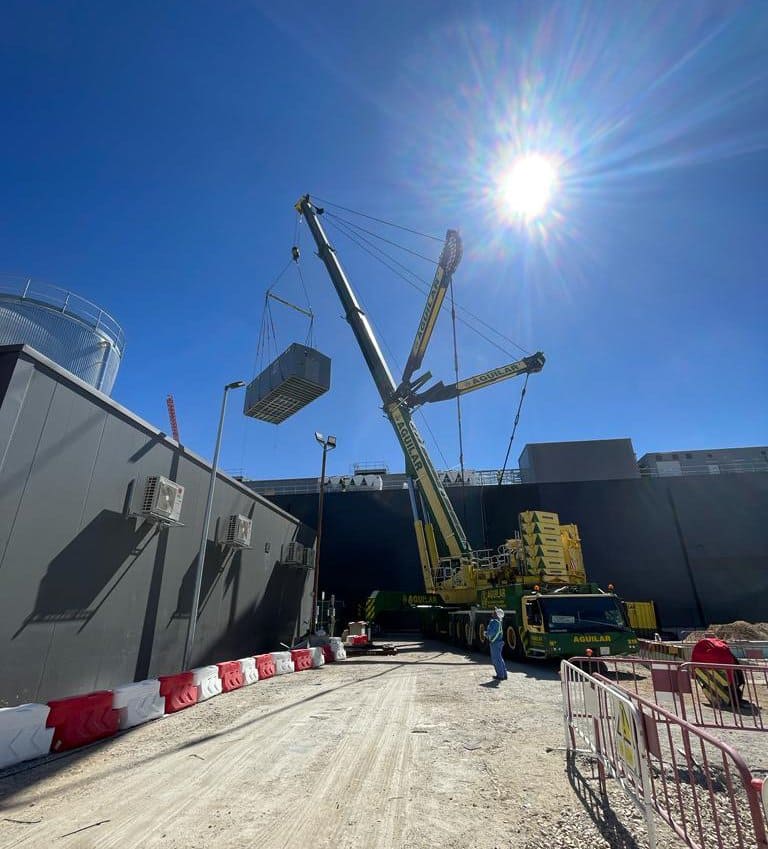
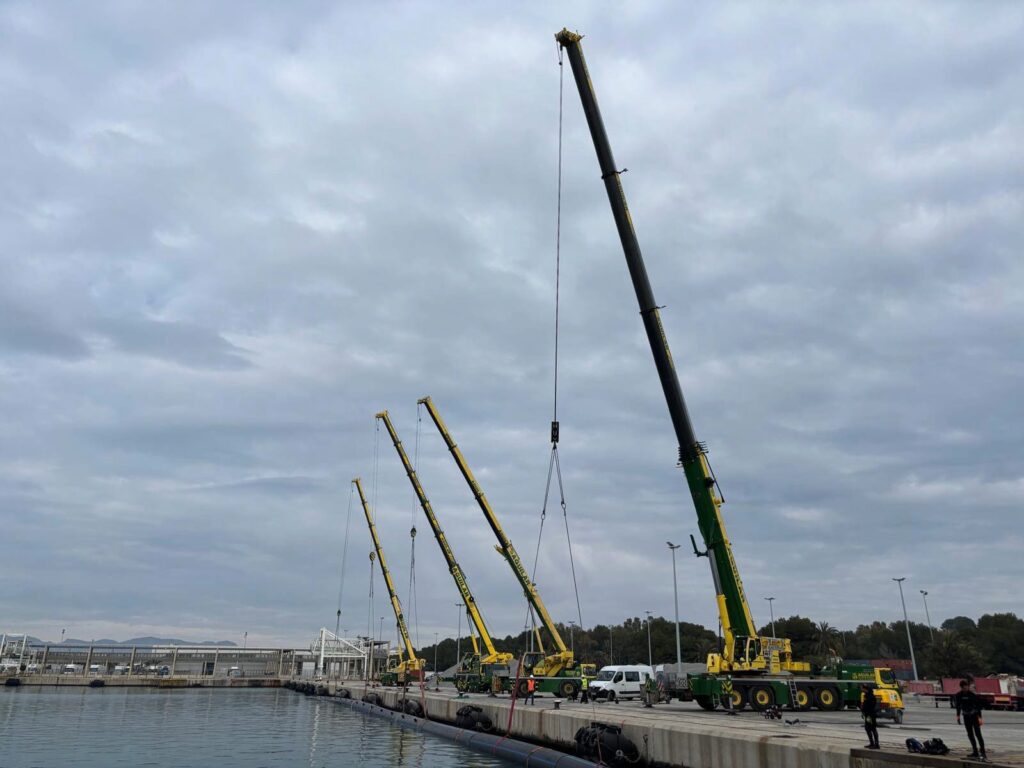
This type of crane combines the mobility of a truck with powerful lifting capabilities, enabling quick and versatile interventions. They are ideal for lifting tasks that involve moving between different locations, in both civil construction and industrial settings.
Key advantages of mobile truck cranes:
- Easy transport and quick setup.
- Flexibility to operate at various sites.
- Well-suited for short-term or one-off jobs.
Challenges of mobile truck cranes:
- Lower load capacity compared to a tower crane.
- Limitations in height and reach.
Lattice boom or crawler cranes
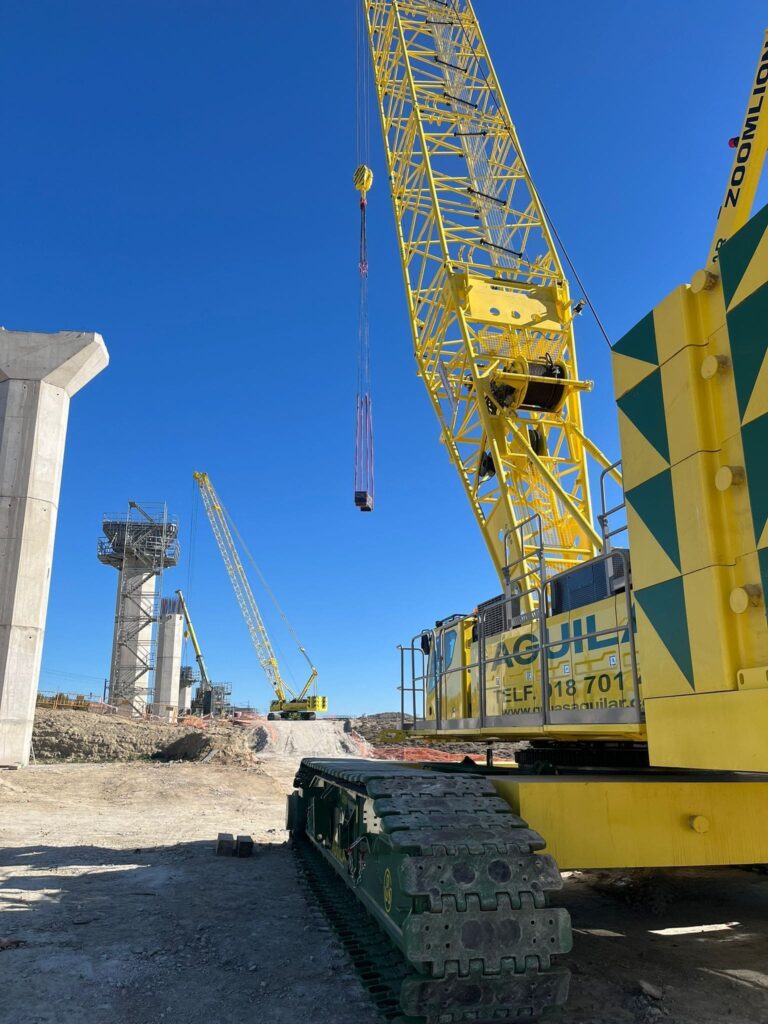
Lattice boom cranes, usually mounted on crawlers, are designed for heavy-duty work and lifting extremely large or heavy loads. They are commonly used in major industrial projects, power plants and infrastructure construction.
Key advantages of lattice boom cranes:
- High load capacity.
- Stability on uneven terrain.
- Ability to work in harsh conditions.
Challenges of lattice boom cranes:
- Complex logistics for transport and assembly.
- High operating costs.
Trends in cranes for lifting loads
One of the latest trends in lifting equipment is the development of mobile tower cranes, which aim to combine the best of mobile and fixed cranes: the height and capacity of a tower crane with the mobility and flexibility of a truck crane.
These solutions are particularly attractive for projects that require fast assembly and dismantling, where time optimization is critical.
Key advantages of mobile tower cranes:
- Ultra-fast setup and dismantling.
- Ability to move between different sites.
- Lower logistics and equipment downtime costs.
The choice of crane type always depends on the operational context, environment and project goals. Technological progress and the emergence of hybrid solutions are driving a sector focused on optimizing resources and ensuring safety.